 EN
EN
 CN
CN
 fr
fr es
es ar
ar ru
ru de
de pt
pt tr
tr vi
vi it
it ja
ja ko
ko hi
hi
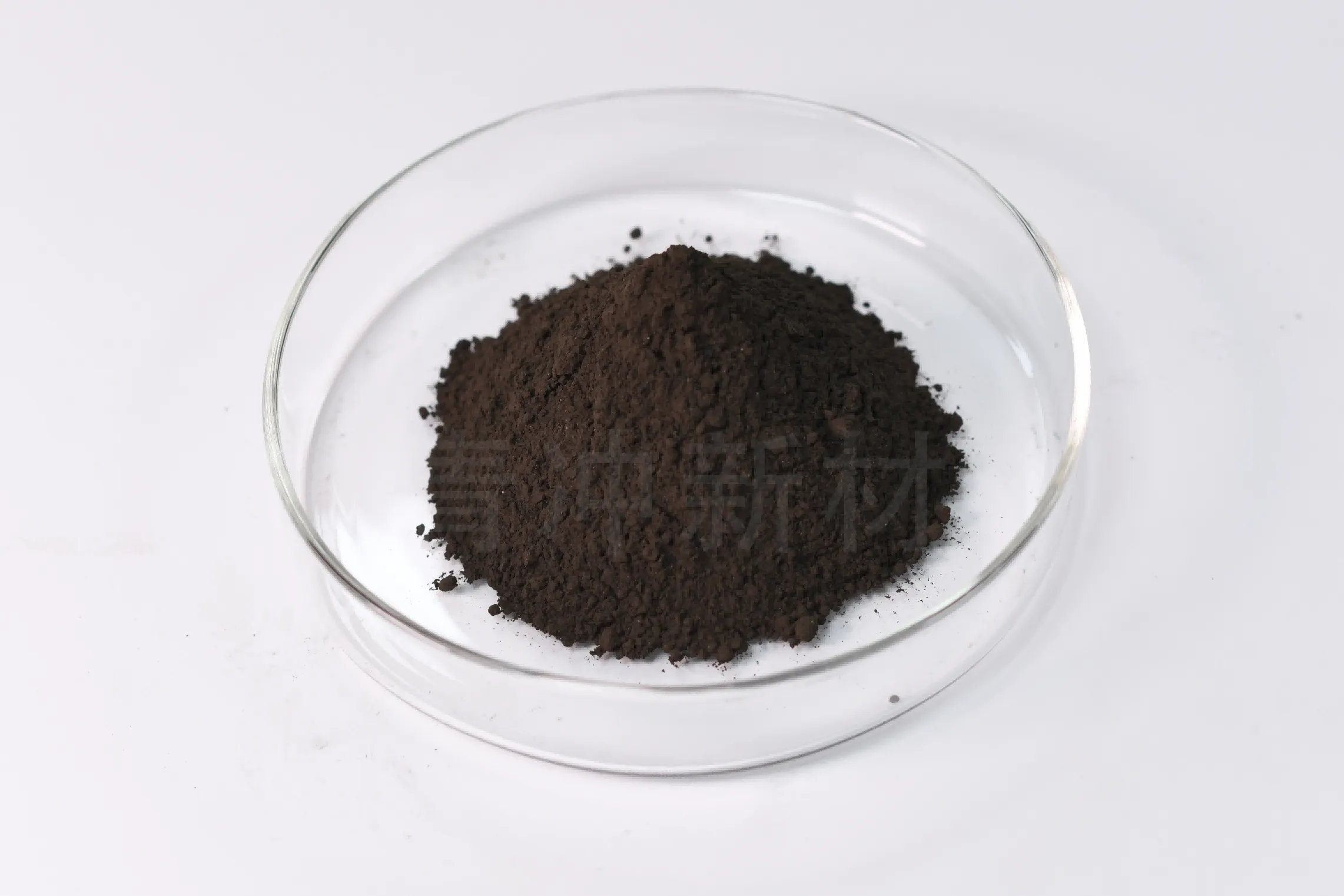
Why the Oxide Form Matters
The formula is the first technical detail to settle. MnO₂ identifies manganese dioxide; “manganese oxides” alone does not identify a single composition. Different manganese oxidation states can change a material’s chemical behavior, while crystal structure and physical form can affect how it performs in a particular process. Even within a named oxide, two powders need not behave alike if their particle characteristics or impurities differ. This is why a chemical name should be paired with a grade specification rather than used as the entire specification. A buyer reviewing a process requirement can begin by checking whether it calls for an exact formula, an oxide-content basis or a functional result. Those are different ways of defining a material and should not be silently converted into one another. QingChong’s stated product focus includes manganese dioxide and manganese compounds, but the information supplied here does not identify individual grades or their measured properties. Ask for the proposed product’s technical documentation before drawing conclusions about its oxidation state, composition, physical characteristics or suitability as a replacement for an existing material.