productlist

glass mno2: Manganese Dioxide for Glassmaking

glass mno2

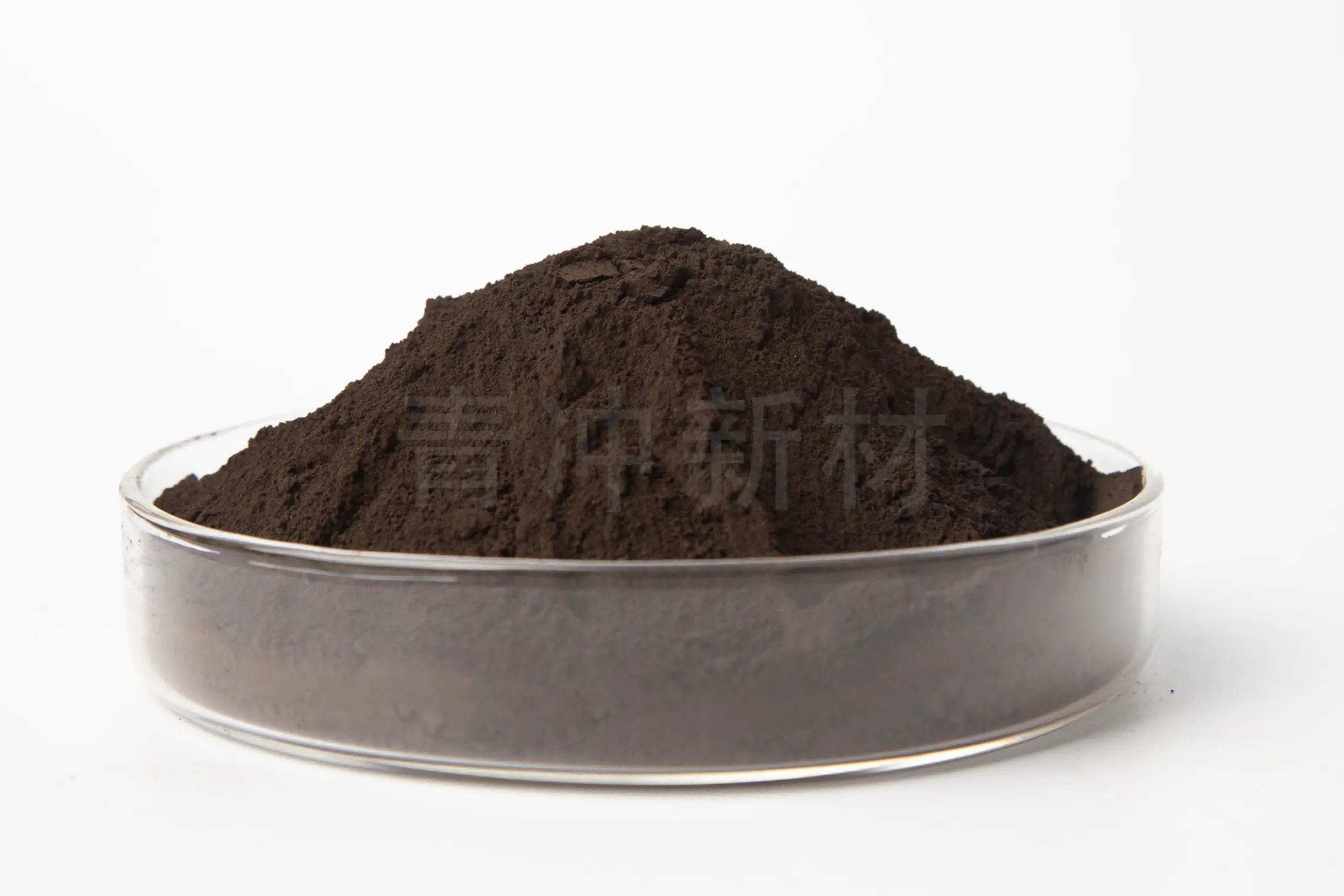
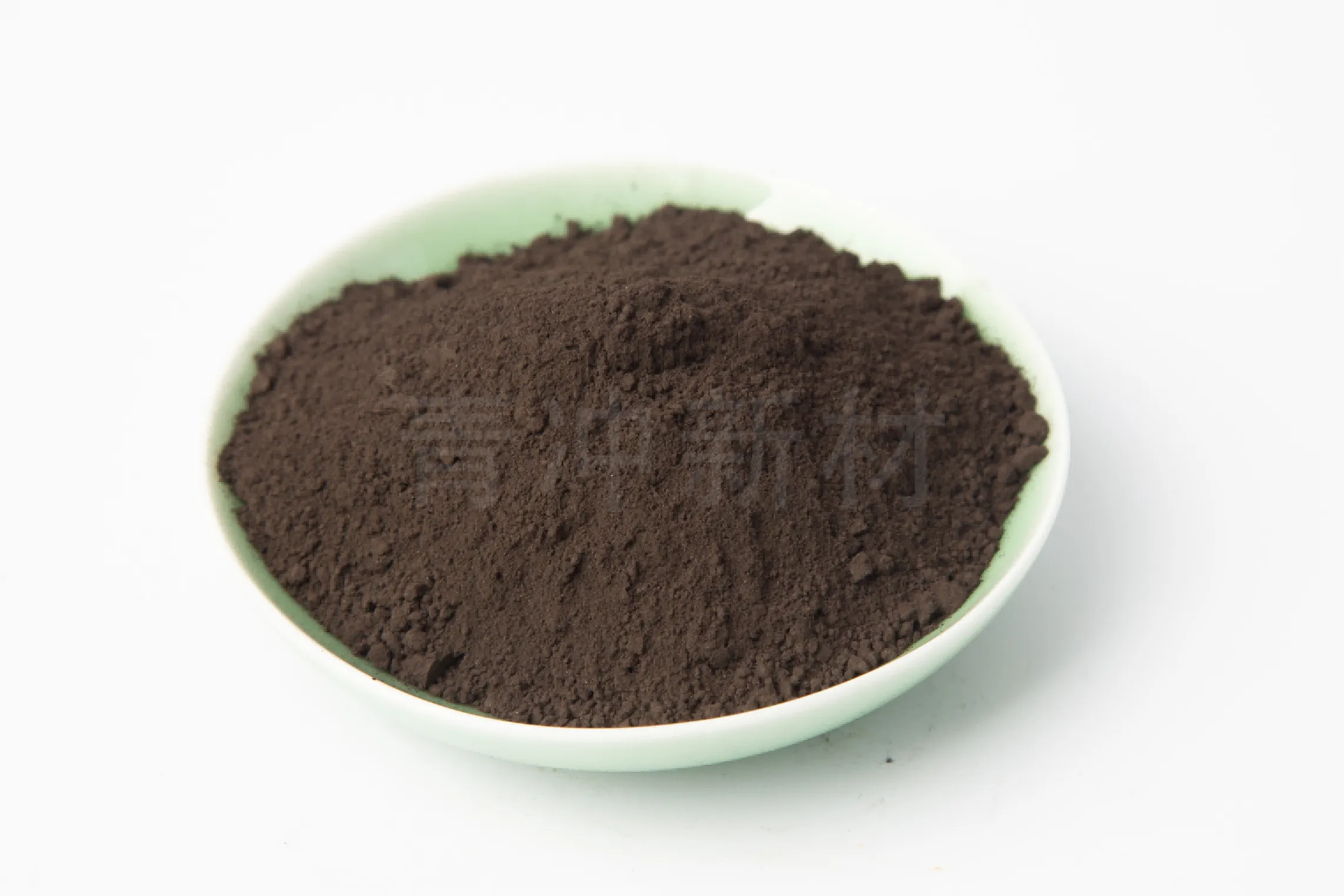
The term glass mno2 usually refers to manganese dioxide being considered for a glass formulation. For a glass producer, the practical question is not simply whether a material contains MnO2. It is whether its composition and physical form can be assessed against the plant’s batch recipe, melting conditions, and appearance targets. Manganese dioxide can play a role in glass color chemistry, but the result depends on the wider formulation and furnace conditions. A material described only as glass mno2 is therefore not yet a defined purchasing specification. QingChong New Materials is a Chinese manganese chemical manufacturer integrating research and development, production, and sales. It may be a relevant contact for glass manufacturers, compounders, and procurement teams investigating a manganese dioxide input, provided the required grade can be confirmed. Before treating any proposed material as suitable, buyers should establish what they need the additive to do, what constituents or physical properties they must control, and how they will test a sample in their own process. Those details turn a broad product search into a useful technical discussion.

Technical Detail

Configured around process stability, mold life, and long-term uptime.

For buyers comparing sources, glass mno2 is best treated as an application-specific purchasing request rather than the name of a verified QingChong grade. The information supplied here does not identify a glass-grade product, an MnO2 assay, an impurity profile, a particle-size distribution, or a packaging format. None should be assumed. The useful distinction at this stage is between a supplier’s general manganese chemical capability and evidence that a particular lot meets a glass plant’s requirements. QingChong New Materials operates in Xiangtan Manganese Mine, an established Chinese manganese production area, and describes its business as integrated R&D, production, and sales. The company reports more than 20 years of industry experience and a strict quality control system. These are relevant supplier characteristics, but they do not replace a grade specification or lot-specific test results. Its stated quality philosophy, that quality is the foundation of an enterprise’s survival, makes verification a sensible starting point for discussion. A glass buyer can ask which manganese dioxide grades are available for review, request the applicable specification and recent certificate of analysis, then compare those documents with internal limits. If a trial is warranted, the plant should assess the proposed material in its own recipe and melting process before approving routine use. This approach keeps supplier evaluation tied to measurable glassmaking requirements instead of treating the phrase glass mno2 as a performance guarantee.

Manganese Dioxide(MnO₂)

How MnO2 Can Affect Glass Color

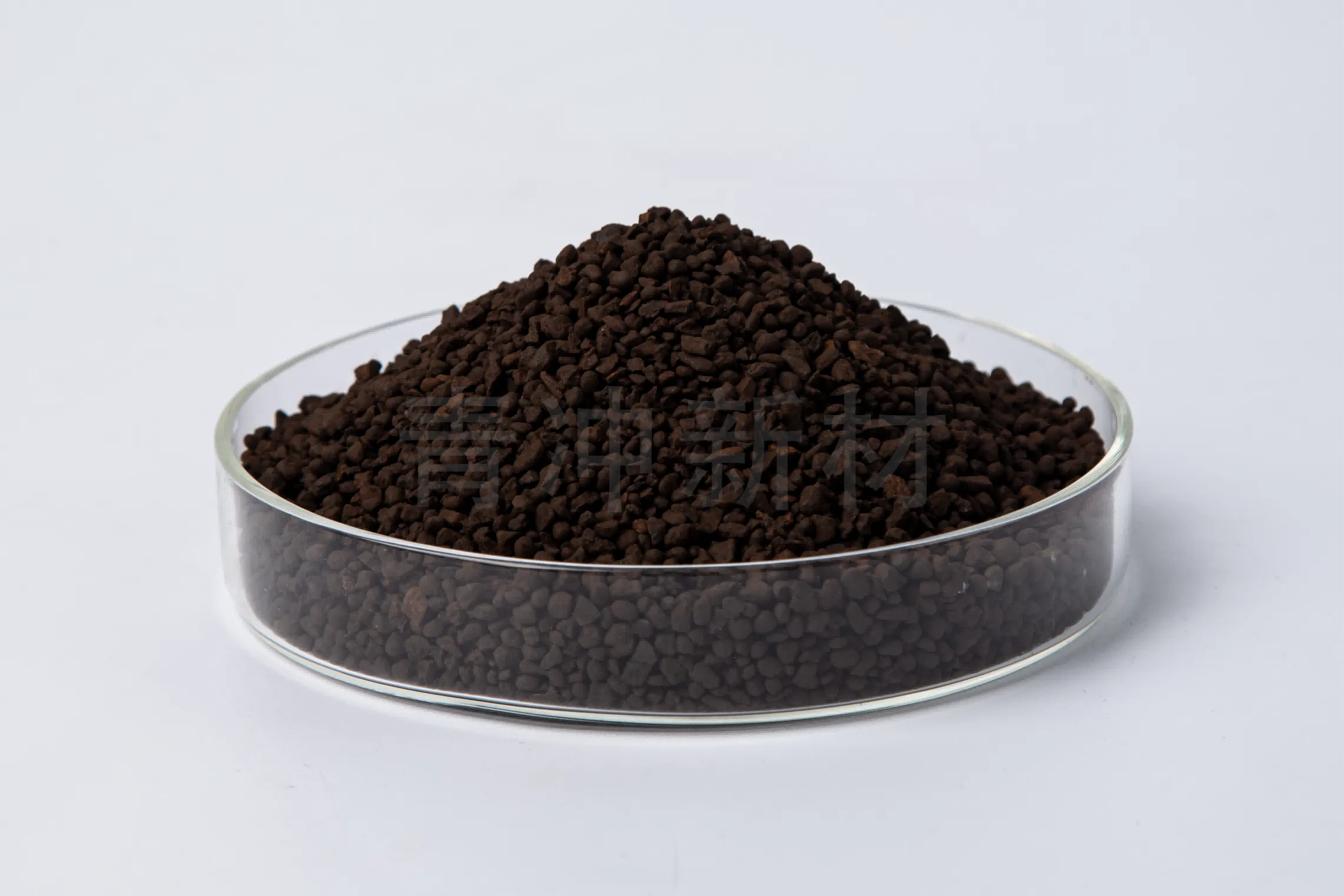
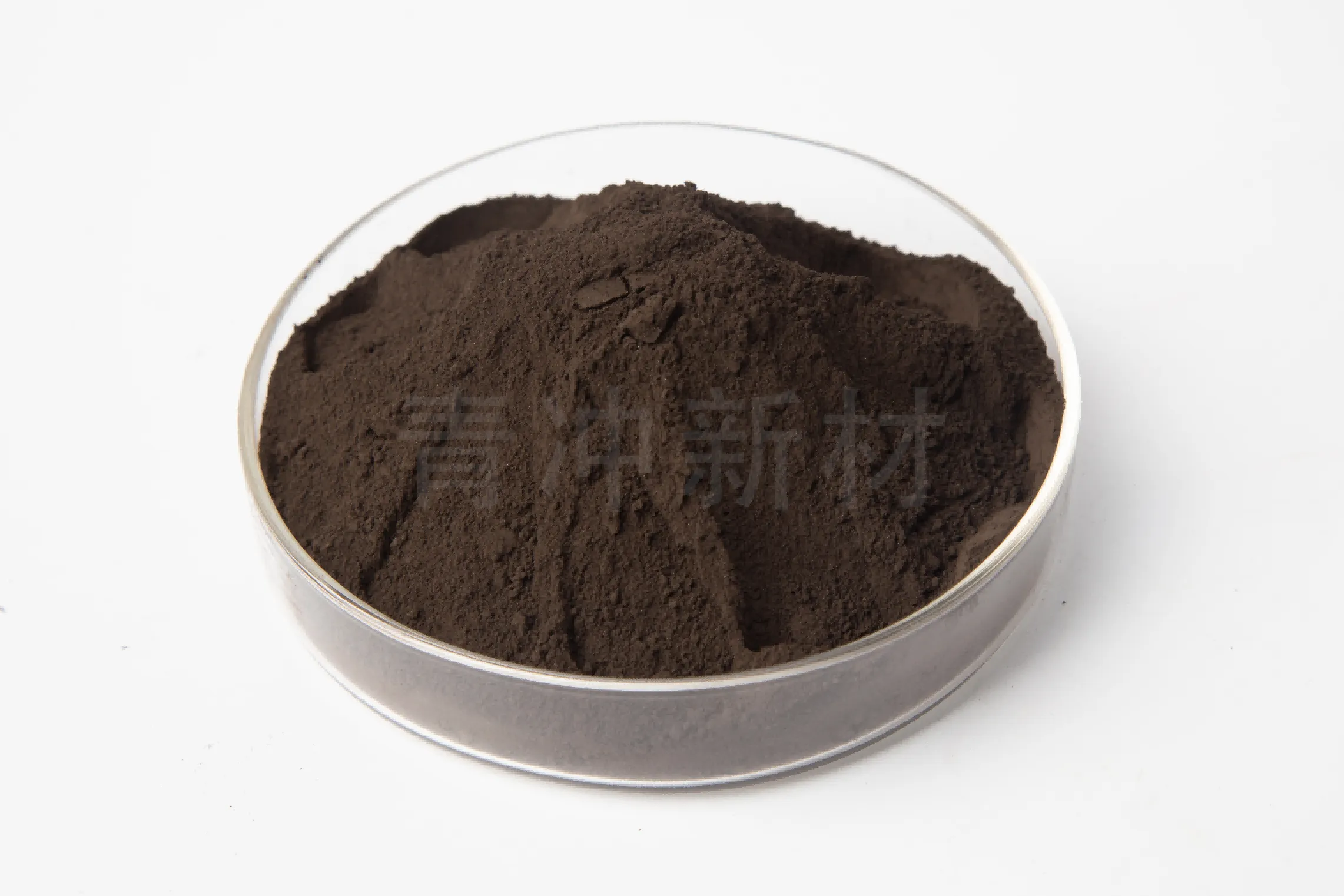
Manganese dioxide is a manganese oxide, but its effect in a glass melt cannot be predicted from the chemical name alone. Manganese can participate in oxidation and reduction reactions, and its color contribution depends in part on its oxidation state in the finished glass. The melt atmosphere, other batch ingredients, and the iron already present in raw materials can change the visual result. That is why references to MnO2 as a decolorizing or coloring input should be read as descriptions of possible uses, not promises that any particular addition will produce a particular shade. Physical form matters too. A powder that does not disperse consistently through the batch may make a laboratory result difficult to reproduce at production scale. The supplied information does not establish the composition or physical form of a QingChong glass grade. Buyers should therefore distinguish between the general chemistry of manganese dioxide and the properties of a material actually offered for testing. A supplier specification and a controlled melt trial are needed to connect those two pieces of information.
Manganese Dioxide(MnO₂)

Check the Recipe and Furnace Conditions Before a Trial

A proposed MnO2 input needs to be judged in the context of the glass being made. A plant seeking to adjust the appearance of clear glass, for example, faces a different evaluation from a plant developing intentionally colored glass. Existing iron levels, other colorants, the target appearance, and the furnace’s oxidation-reduction conditions all influence whether a manganese addition is worth testing. They also affect how a trial result should be interpreted. Batch handling creates another boundary: the buyer may need limits for particle size, moisture, or unwanted constituents to suit its feeding and melting process. No such limits or QingChong product values were supplied, so suitability for a particular furnace or glass type cannot be confirmed here. A practical screening question is whether the buyer can define acceptable variation in incoming material and then measure its effect on finished glass. If that link is unclear, start with a documented small-scale evaluation under representative conditions rather than assuming that a manganese dioxide used in another process will behave the same way.

Manganese Dioxide(MnO₂)

What to Send When Requesting a Glass MnO2 Grade

A useful inquiry gives QingChong enough context to identify whether it has a candidate material for review. State the glass type, the intended function of the manganese dioxide, the current batch ingredients relevant to color, and any existing raw-material specification. Include the limits your plant uses for MnO2 content, relevant impurities, particle size, and moisture if those limits have already been established. If they have not, say so and ask for the available grade specifications instead of assigning unsupported values. Describe the planned evaluation method, such as a laboratory melt followed by a production trial, and specify which results will determine acceptance. Procurement teams should also request a recent certificate of analysis for the proposed grade and confirm the offered physical form and packaging before comparing suppliers. QingChong’s integrated R&D, production, and sales structure provides a clear starting point for that conversation; it does not by itself establish that a glass-specific grade is available. The immediate next step is to exchange specifications and confirm whether a documented candidate can be supplied for evaluation.

News

Industry updates

Products

Production modules

Why Choose Us

Why Discuss Glass MnO2 Requirements with QingChong

QingChong New Materials combines R&D, production, and sales within its manganese chemical business. For a glass buyer working from a detailed raw-material specification, that combination offers a relevant point of contact for discussing both material properties and supply requirements. The company is located in the Xiangtan Manganese Mine area and reports more than 20 years of industry experience. It also states that it operates a strict quality control system, a useful basis for asking how specifications and lot results are checked. Its international-facing website is available in 14 languages, which may help purchasing teams communicate across markets. The company reports passing ISO9001:2008 quality management certification in July 2010 and receiving National High-tech Enterprise certification in September 2019. Those dated credentials provide background on the organization; buyers needing current certification should request current documents and verify their scope. QingChong’s stated emphasis on quality and integrity fits a procurement process built around clear specifications and test evidence. Because no glass-grade product data was provided, the strongest reason to engage is to determine whether its available manganese dioxide documentation matches the plant’s needs, not to assume approval in advance.

FAQ

Common technical questions

Is glass mno2 different from manganese dioxide used for other purposes?

The chemical name may be the same, but an application label does not establish a grade. Compare the offered material’s specification, certificate of analysis, and physical form with your glass plant’s requirements.

Can I use MnO2 to correct a color problem in clear glass?

Possibly, but the result depends on the full batch chemistry and melting conditions. Record the current color issue and relevant raw materials, then use a controlled melt trial to assess a candidate material.

What should operators record during an MnO2 trial?

Record the material lot, addition method, batch recipe, furnace conditions, and finished-glass observations. Keep a comparable baseline so the trial result is not attributed to MnO2 when another process variable has changed.

Does QingChong have a confirmed glass-grade MnO2 specification?

No glass-grade specification was included in the supplied information. Send your required limits to QingChong and ask which available grade, if any, can be supported with a specification and recent certificate of analysis.

Need a solution for your project?

Share your product type, target capacity, and application requirements. Our team can review the details and recommend a practical next step.

Contact Us
Whatsapp
WeChat

CONTACT US

Office Address:21/F,Zhonghan Fortune Building,Ji'an Road, Yuetang District,Xiangtan,Hunan,China

Factory Address: Heling Town, Yuhu District, Xiangtan City, Hunan Province, P.R.China

WhatsApp: 8613786275365

Fax: 86-731-52326088

E-mail: [email protected]