productlist

Batteries Manganese Carbonate: What Buyers Should Confirm

batteries manganese carbonate

The phrase “batteries manganese carbonate” usually signals a buyer researching manganese carbonate as a potential input for battery-material production. It does not, by itself, define a finished battery, a cathode formulation, or a confirmed product specification. For procurement and process teams, the first task is to clarify the intended downstream use and the material requirements set by their own process. QingChong New Materials is a Chinese manganese chemical manufacturer integrating R&D, production, and sales, with more than 20 years of industry experience. Its location in Xiangtan, a major manganese production base known as the “Manganese Capital of China,” provides relevant industry context, but does not establish the grade or availability of a particular battery-use material. This page outlines what the term may refer to, how to assess its fit, and what information to provide when making an inquiry. Buyers should confirm the exact chemical product and current specifications directly with the manufacturer before treating it as suitable for battery applications.

Technical Detail

Configured around process stability, mold life, and long-term uptime.

Manganese carbonate is a manganese chemical compound; the phrase “batteries manganese carbonate” refers to buyers investigating whether it could serve their battery-material supply chain. It is not enough to determine suitability: the required chemical composition, impurity limits, physical form, and process acceptance criteria must come from the buyer’s application and be confirmed against an actual product specification. No product grade, purity, particle size, packaging, or battery-specific qualification data has been provided for this page, so none should be assumed. QingChong New Materials describes itself as a high-tech manganese chemical manufacturer integrating R&D, production, and sales. The company reports more than 20 years of industry experience and is located in Xiangtan, one of China’s important manganese production bases. These details establish the manufacturer’s manganese-sector context, not a guarantee that a particular manganese carbonate grade meets battery requirements. Buyers evaluating the material should request the current technical data sheet and available quality documentation, then compare them with internal acceptance limits and downstream process needs. Confirm the product identity, test methods, batch documentation, and any application-specific requirements before placing a purchase inquiry. This distinction helps procurement teams separate a relevant manganese-chemistry source from a material that has actually been qualified for their battery process.

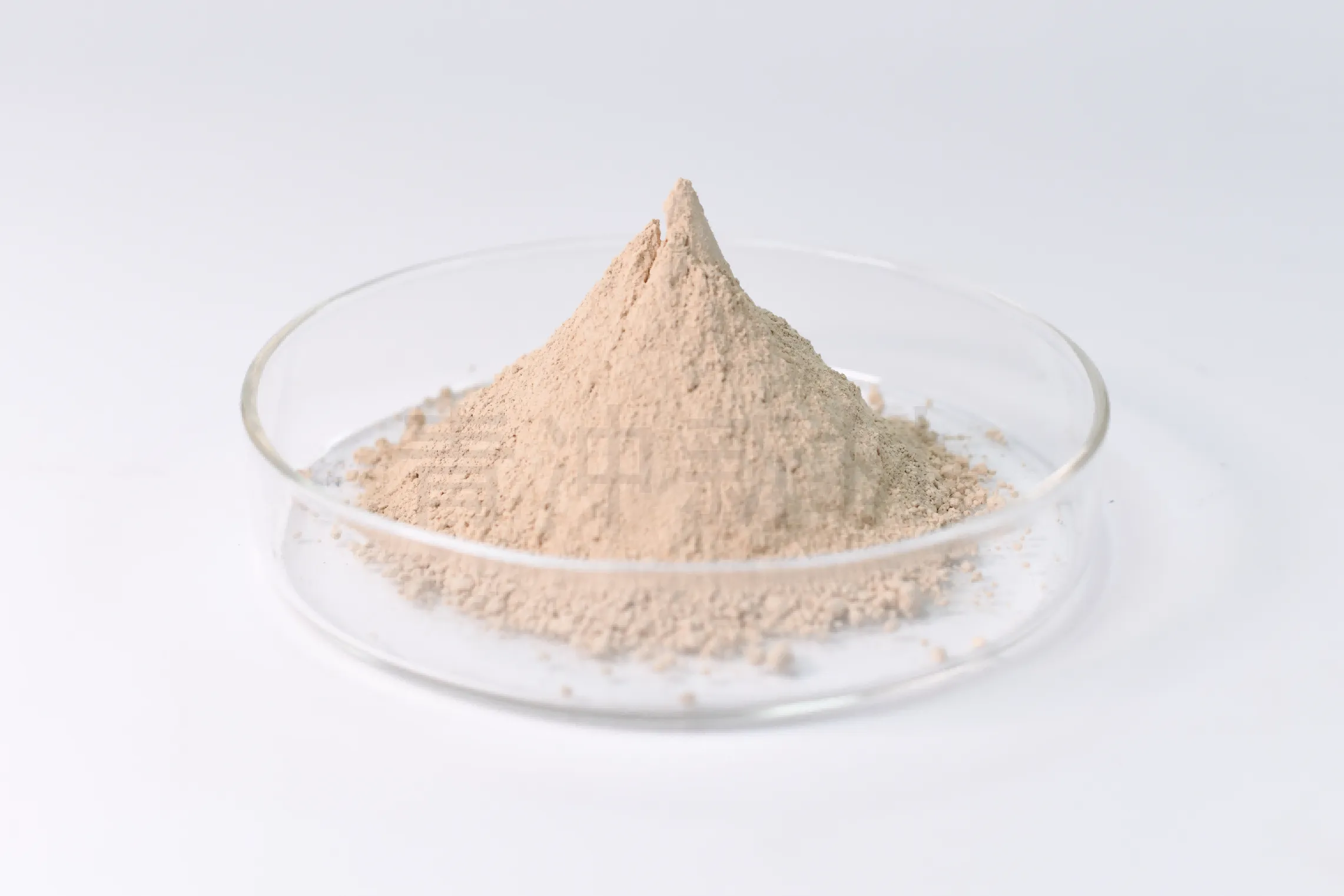
Manganese Carbonate (MnCO₃)

What the Battery-Material Search Term Means

Manganese carbonate is a chemical material, not a battery cell or a complete cathode active material. In a battery supply chain, buyers may investigate it as a possible manganese-bearing feedstock for further processing, but the phrase alone does not identify the conversion route or final application. Whether it is appropriate depends on the buyer’s process design and the requirements of the next manufacturing step. QingChong New Materials operates in the manganese chemical sector and integrates research and development, production, and sales. The company also reports cooperation with local universities resulting in multiple invention patents; those details indicate broader technical activity but do not establish that a specific carbonate product has been tested for a battery formulation. Before treating the material as a candidate, ask the supplier to confirm the exact chemical identity and provide a current product specification. Review how composition is measured and whether the documented tests address the properties your process controls. Without those records, “battery use” should be treated as an inquiry purpose rather than a verified product designation.
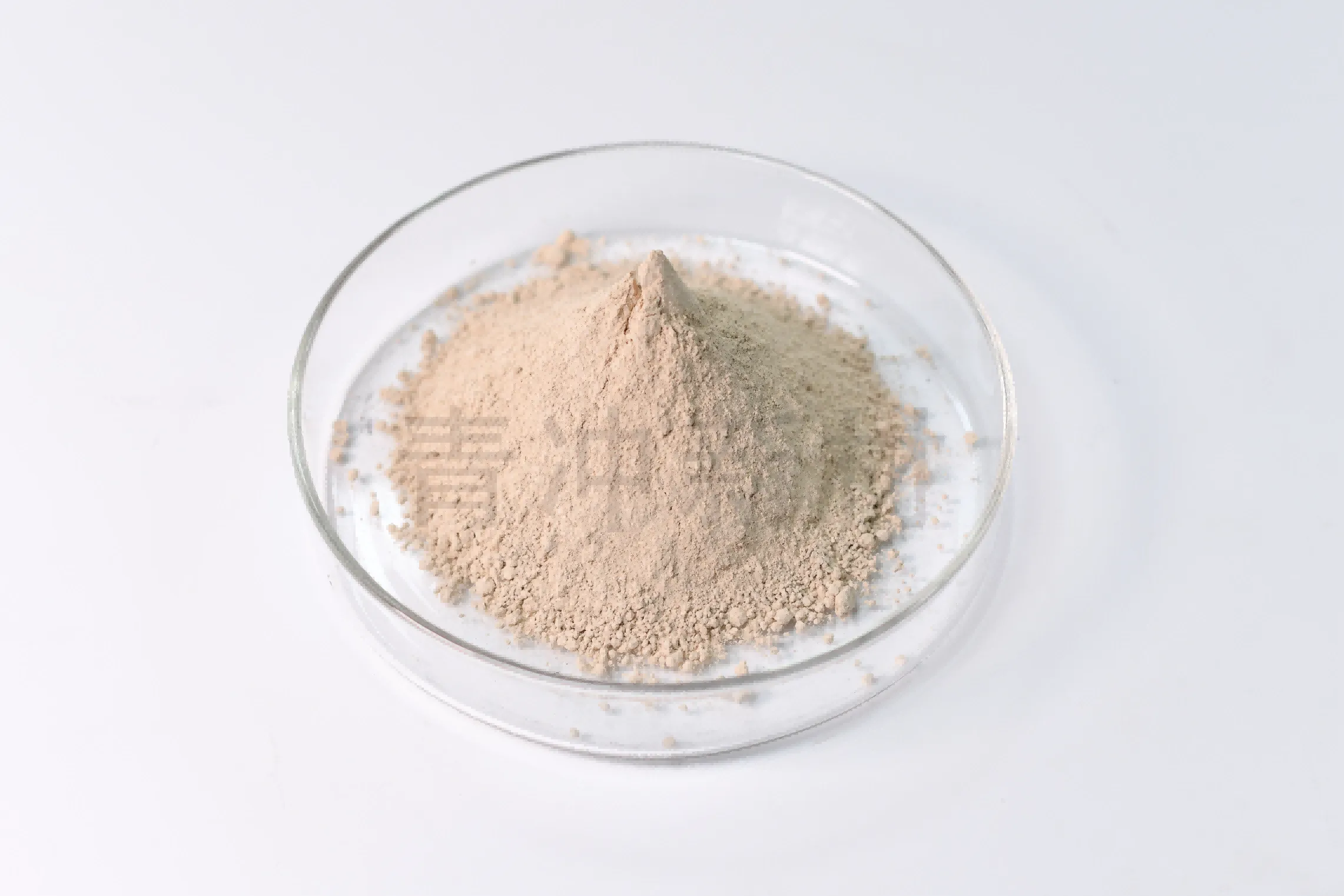
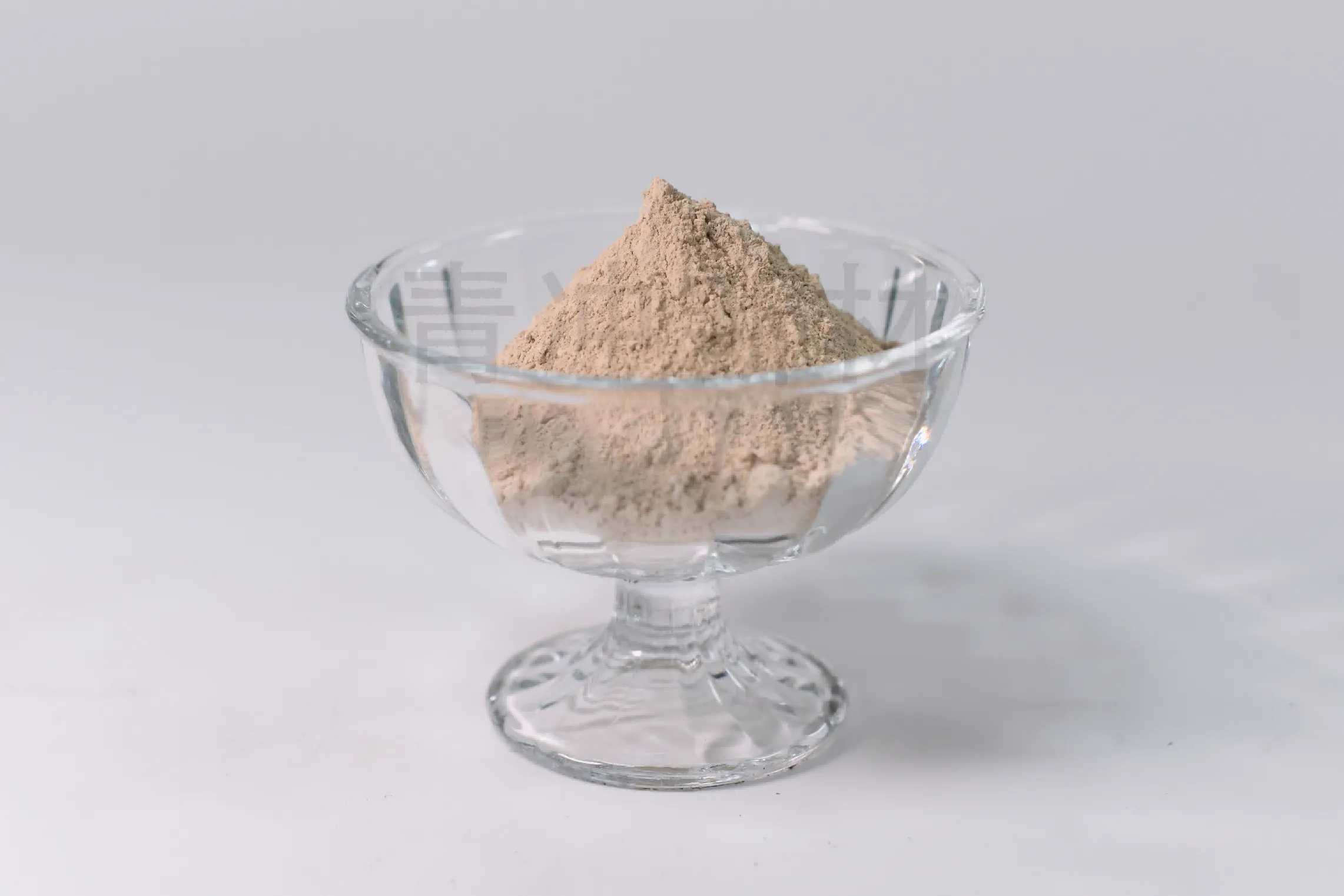
Manganese Carbonate (MnCO₃)

Assessing Fit Against Your Process Conditions

A manganese carbonate candidate should be assessed against the process that will receive it, rather than by the word “battery” in a search or product description. Start with the downstream operation: determine which chemical and physical properties it controls, what impurity limits apply, and whether incoming material must meet a defined form or handling requirement. Then compare those requirements with a supplier’s current specification and quality records. The information provided for QingChong New Materials does not include a manganese carbonate grade, numerical limits, or battery-process qualification, so compatibility cannot be concluded here. Its location in Xiangtan, a major Chinese manganese production base, and its integrated manufacturing and R&D operations are useful supplier context, not substitutes for technical evidence. If the intended process has strict acceptance limits, request confirmation of test methods, lot-level documentation, and any known restrictions before proceeding. A mismatch in composition or physical characteristics may require process changes or make the material unsuitable; the buyer’s engineering team should make that assessment using its own validated criteria. Avoid assuming suitability for any cell chemistry or production route without evidence.

Manganese Carbonate (MnCO₃)

Information to Include in a Supplier Inquiry

Make a product inquiry actionable by stating the intended use as “battery-material evaluation” and attaching the specification your team needs to meet. Include the required chemical identity, acceptable composition and impurity limits, relevant physical-form requirements, preferred test methods, and the documents needed for incoming inspection. These are buyer-provided requirements, not specifications confirmed for QingChong’s manganese carbonate. Ask the supplier to identify the exact product available for review and return its current technical data sheet and quality documentation. Also clarify how the supplied values are tested and whether supporting records can be associated with the material offered. QingChong reports an integrated R&D, production, and sales operation and a strict quality-control system; procurement teams can use an inquiry to determine which documentation is available for the particular product under consideration. Do not assume a grade, certification, packaging format, minimum order, or delivery schedule from the company-level information on this page. Once technical fit and document needs are clear, purchasing teams can separately confirm commercial terms and supply arrangements with the manufacturer.

News

Industry updates

Products

Production modules

Why Choose Us

Manganese-Sector Experience Backed by Quality Systems

QingChong New Materials brings together R&D, production, and sales within a manganese chemical business, giving buyers a single manufacturer to approach when exploring a manganese-material requirement. The company reports more than 20 years of industry experience and is based in Xiangtan, an established manganese production area in China. Its quality credentials include ISO 9001:2008 certification, which it reports was passed in July 2010, and recognition as a National High-tech Enterprise in September 2019. The company also reports multiple invention patents obtained through cooperation with local universities. These credentials provide context for evaluating its manufacturing and technical background; they do not certify a particular manganese carbonate grade for battery use. QingChong’s stated approach emphasizes quality and integrity, and its multilingual website supports communication with global markets. For a battery-related inquiry, buyers should still review product-specific specifications, test records, and qualification evidence before deciding whether the material fits their process. This combination of manganese-sector experience and documented company-level credentials can help structure an informed supplier assessment without replacing technical due diligence.

FAQ

Common technical questions

Can you confirm the purity or battery grade of QingChong’s manganese carbonate?

No grade or purity specification was provided for this page. Request the current technical data sheet and quality records for the exact product being offered, then compare them with your process limits.

Is manganese carbonate suitable for every battery chemistry?

Suitability depends on the downstream process, material requirements, and qualification criteria. The information available here does not confirm suitability for any specific battery chemistry, so have your engineering team review product-specific evidence.

What should we send when requesting a sample or quotation?

Provide your intended application, required composition and impurity limits, physical-form requirements, test methods, and necessary documentation. Confirm sample availability and commercial terms directly with the supplier; these details are not specified here.

How should incoming manganese carbonate be checked during a trial?

Use your approved incoming-inspection plan and the supplier’s confirmed test methods and documentation. Agree on acceptance criteria before testing, and do not rely on an unverified product description as a substitute for batch-specific records.

Need a solution for your project?

Share your product type, target capacity, and application requirements. Our team can review the details and recommend a practical next step.

Contact Us
Whatsapp
WeChat

CONTACT US

Office Address:21/F,Zhonghan Fortune Building,Ji'an Road, Yuetang District,Xiangtan,Hunan,China

Factory Address: Heling Town, Yuhu District, Xiangtan City, Hunan Province, P.R.China

WhatsApp: 8613786275365

Fax: 86-731-52326088

E-mail: [email protected]