 EN
EN
 CN
CN
 fr
fr es
es ar
ar ru
ru de
de pt
pt tr
tr vi
vi it
it ja
ja ko
ko hi
hi
What the Electrolytic Route Tells You About EMD
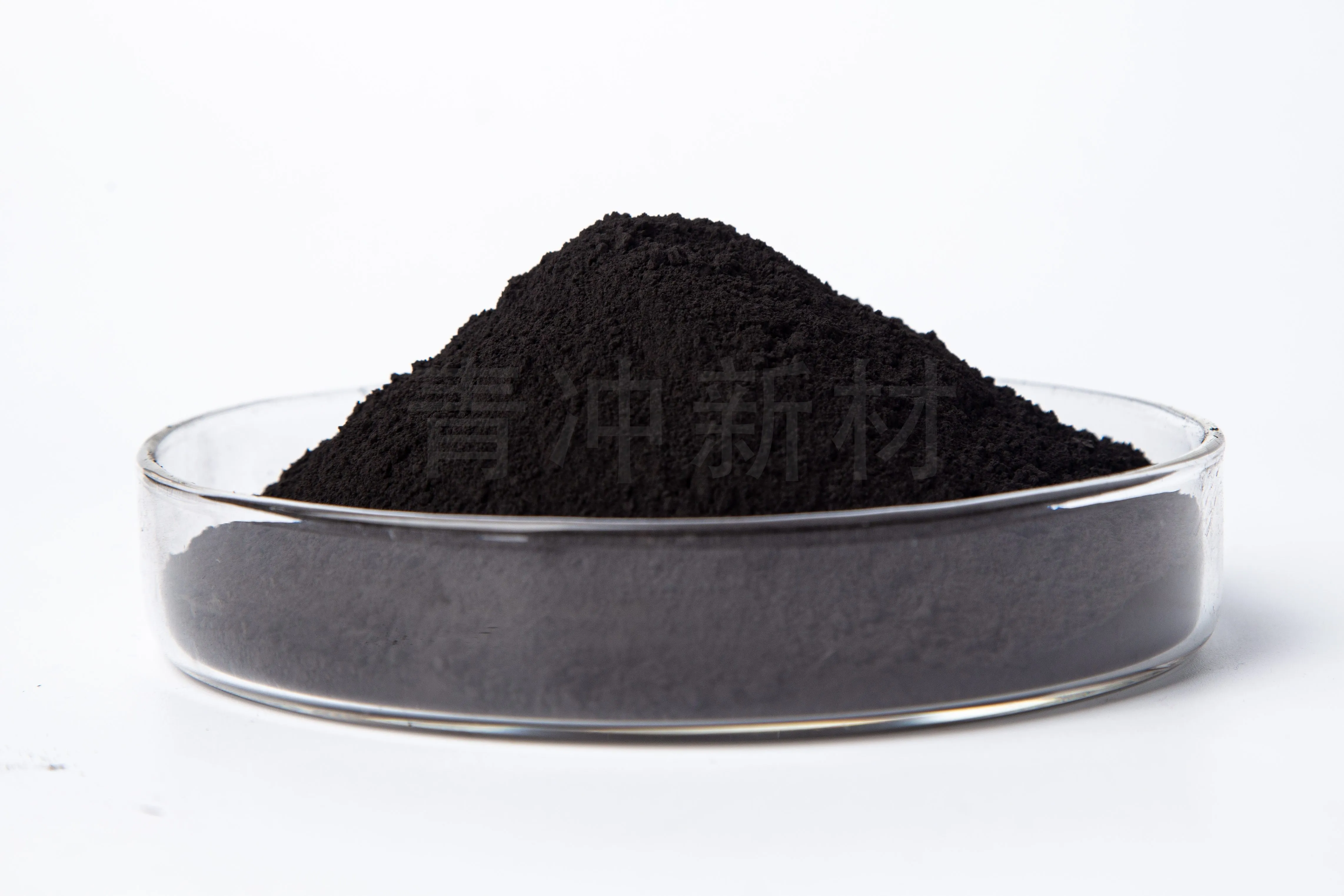
The term electrolytic manganese dioxide describes how the manganese dioxide is made, not a complete performance specification. In general, EMD is formed through electrochemical deposition and then processed into a usable material. Processing after deposition can affect the characteristics a buyer sees in the supplied powder. The word “electronics” adds an intended-use context, but without a named grade and test results it does not establish a particular crystal structure, particle size, conductivity or impurity profile. This distinction matters when a specification is circulated between engineering and purchasing teams. Two materials can share the EMD name while requiring different qualification work for a given component. QingChong New Materials identifies itself as an integrated manganese chemical R&D and manufacturing business, but the information provided here does not describe its EMD process route or a specific product structure. Treat general knowledge of electrolytic production as a way to ask informed questions, not as a description of an unverified QingChong grade. To interpret a supplier document, check which measured properties are reported, how they were tested and whether they refer to the same form of material that will enter your production process.