 EN
EN
 CN
CN
 fr
fr es
es ar
ar ru
ru de
de pt
pt tr
tr vi
vi it
it ja
ja ko
ko hi
hi
How EMD Relates to a Button Cell Cathode
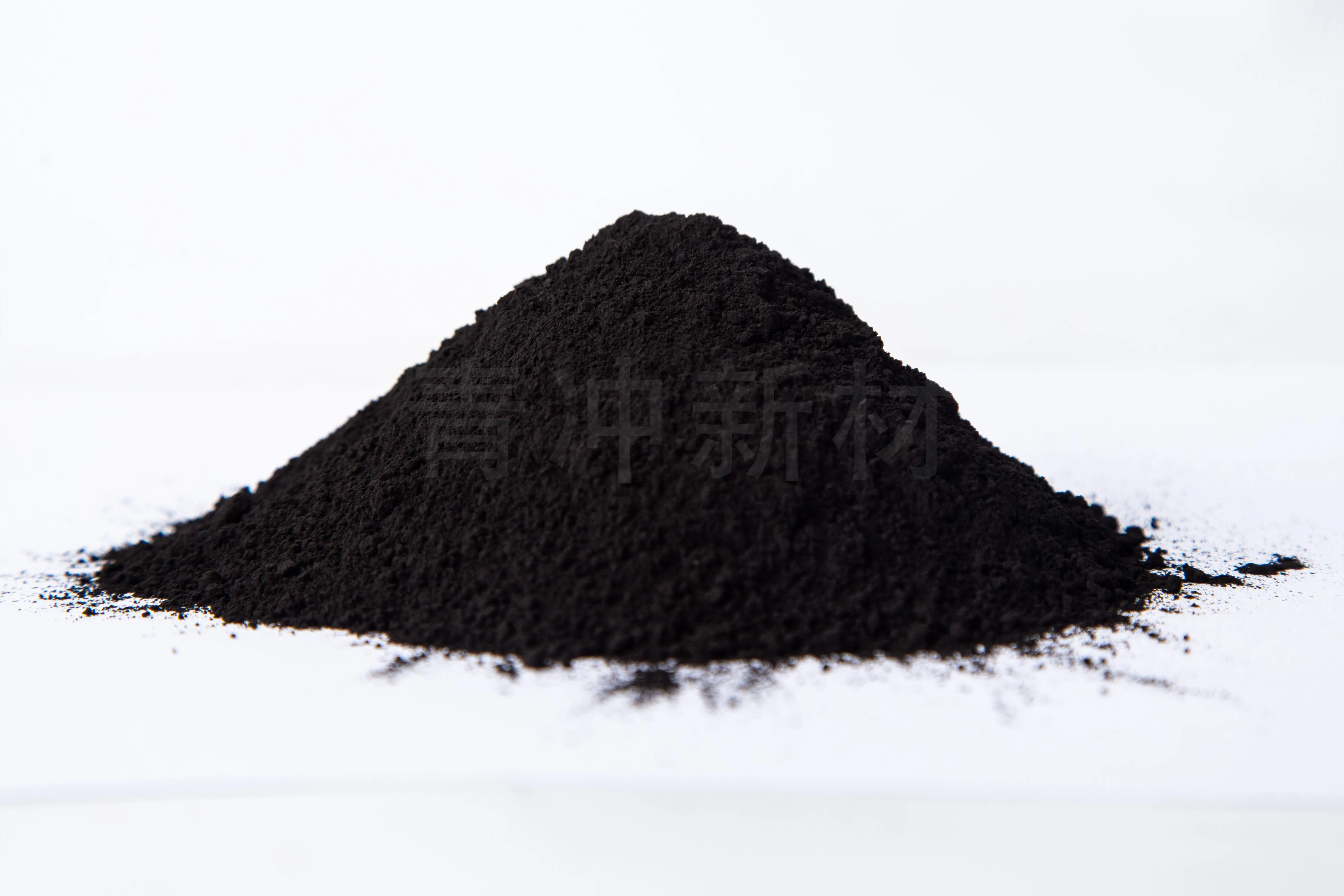
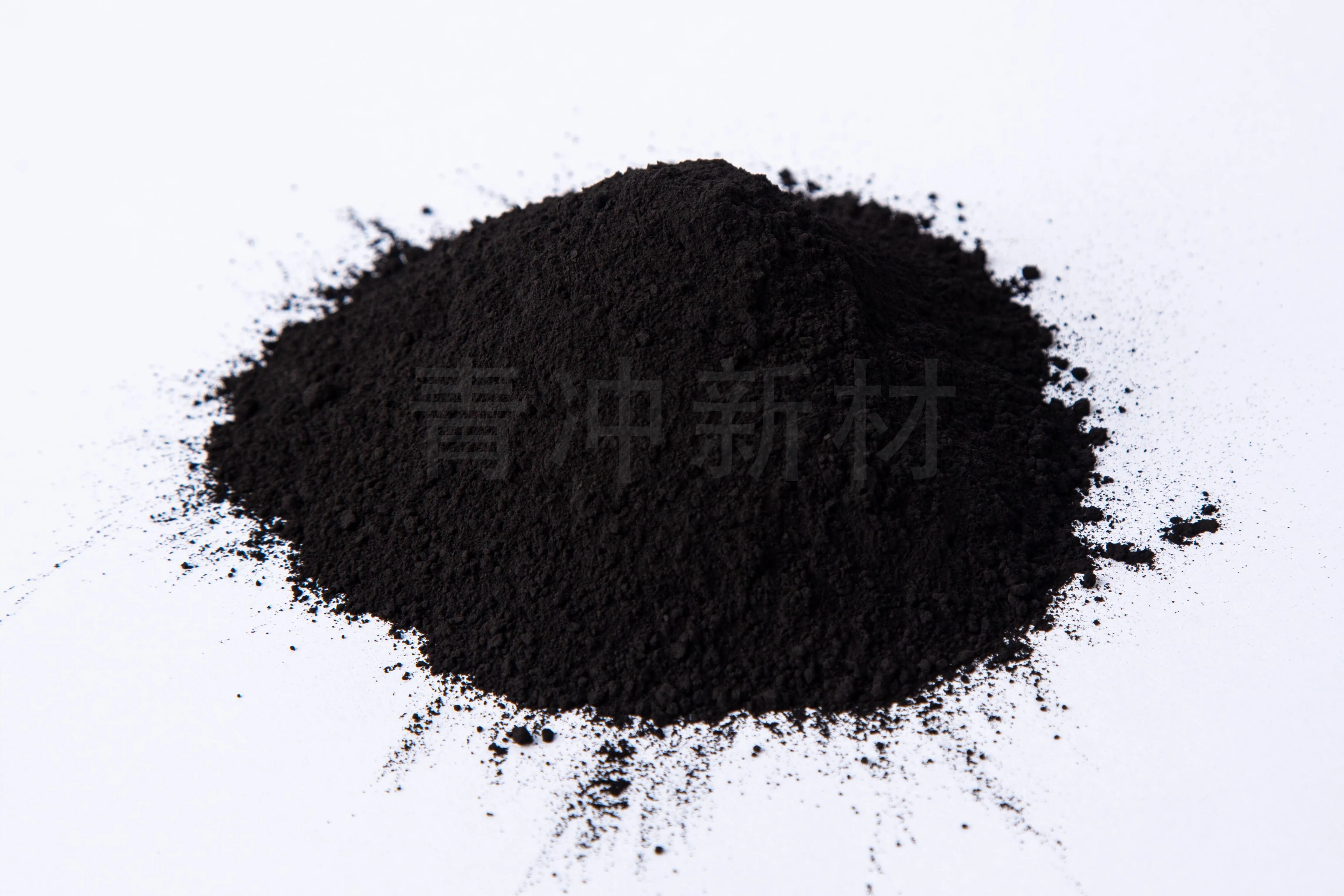
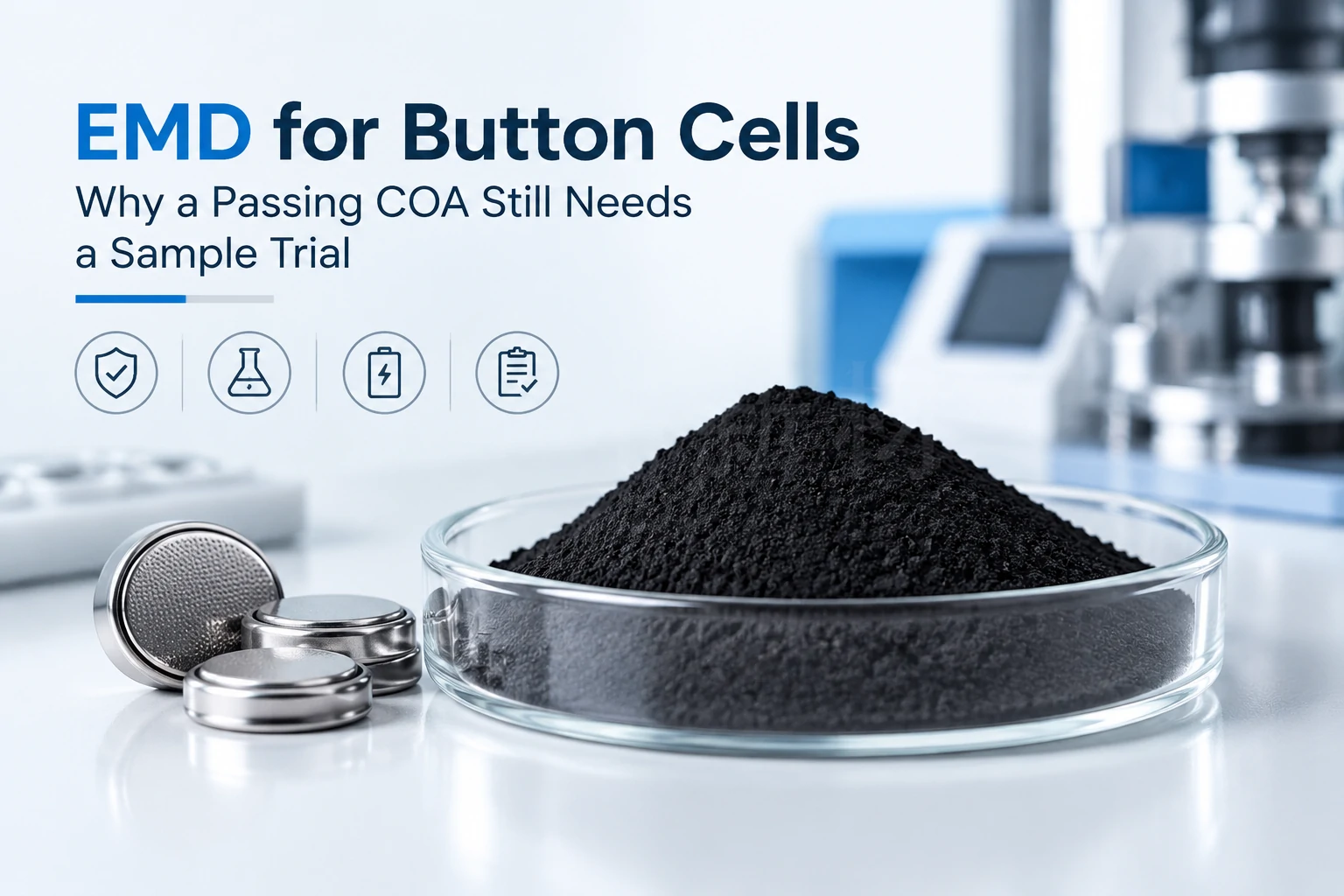
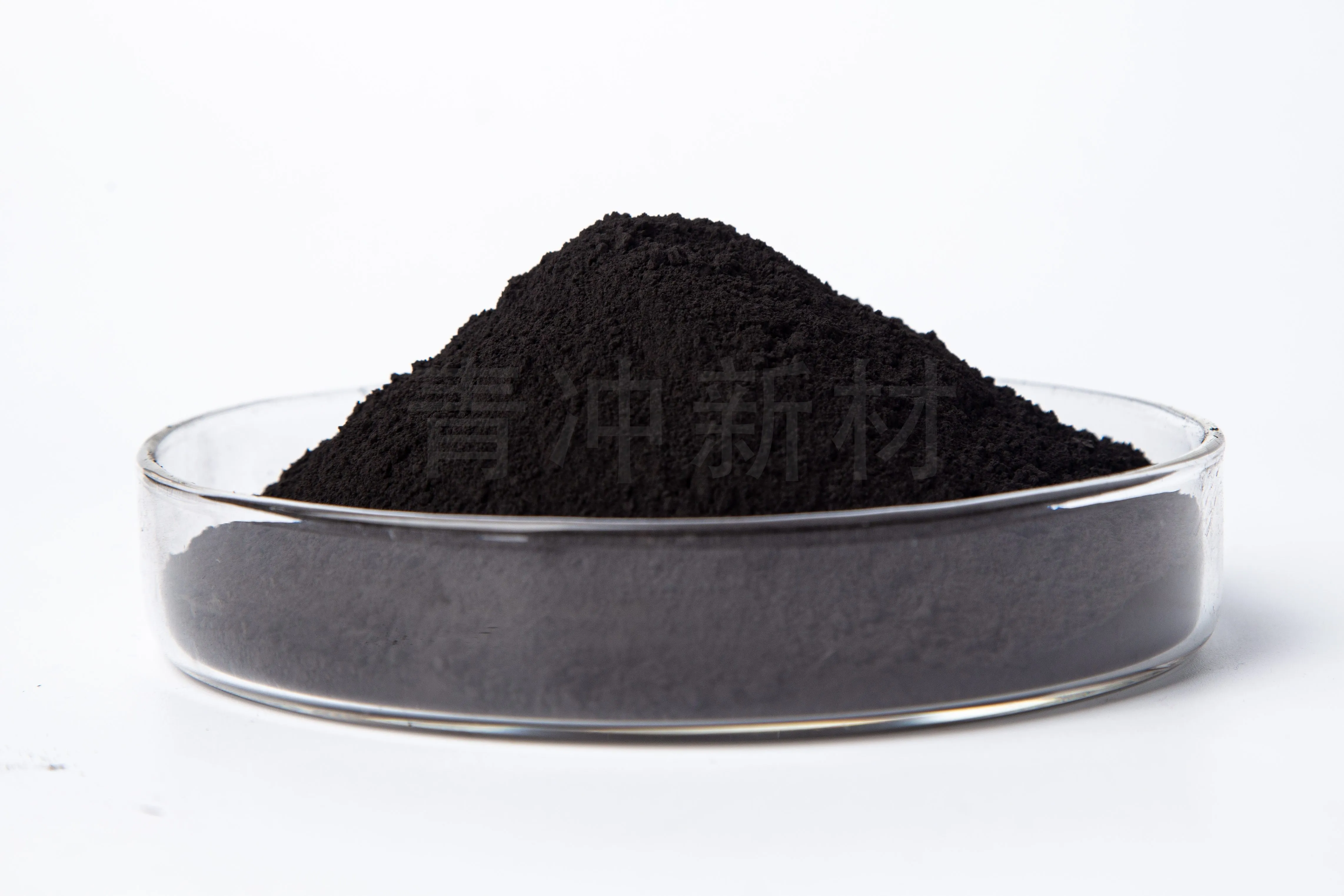
Electrolytic manganese dioxide, commonly abbreviated EMD, is a form of manganese dioxide used in some battery cathode systems. In a button cell, the cathode material works within a compact assembly alongside the anode, electrolyte, separator, and current-collecting components. The overall cell chemistry determines whether manganese dioxide is appropriate; the word “button” describes a form factor, not a single chemistry. That distinction matters when a purchasing specification simply names a button-cell battery without identifying its chemistry. The grade and its properties can affect how the material behaves in the manufacturer’s electrode preparation and cell design, but the available QingChong information does not provide a grade-level technical data sheet or button-cell test results. A useful first step is therefore to identify the cell chemistry and confirm that the intended cathode uses manganese dioxide. Then review the supplier’s documentation for the specific EMD grade rather than relying on a general material description. QingChong New Materials integrates R&D, production, and sales, which gives buyers a point of contact for clarifying what product documentation is available. Any final technical conclusion should be based on that documentation and the buyer’s own cell qualification work.