
 EN
 CN
 fr
 es
 ar
 ru
 de
 pt
 tr
 vi
 it
 ja
 ko
 hi
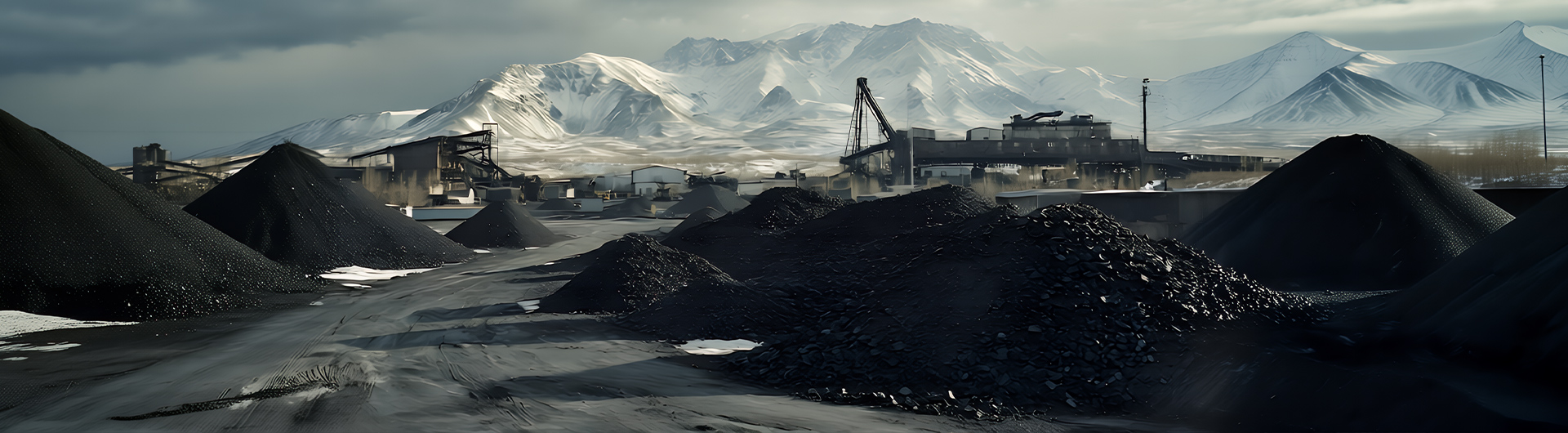

sealant activated carbon and manganese dioxide
When sealant activated carbon and manganese dioxide is utilized in battery technology, it significantly aids in maintaining constant electrochemical behavior through the distribution of active materials, which is uniform and therefore the whole electrochemical system is working well together. The conversion of sealant activated carbon and manganese dioxide into manganese-based compounds is a big plus because it contributes to the improvement of charge-discharge efficiency, thus the energy is stored and released faster. To boost the power, the manufacturers are allowed to play with the size and shape of the particles as well as the surface properties. Moreover, sealant activated carbon and manganese dioxide compatibility with a wide range of electrolyte systems gives rise to the construction of batteries with different designs that are powered by this material. The battery has the capability of supporting long cycling life and constant voltage output, which means it can be depended on to perform in portable electronics, renewable energy logging, and electric-powered transport. The exceptional chemical adaptability of sealant activated carbon and manganese dioxide makes it a very important and a must-have component in the present-day energy storage technology and high-performance battery development.
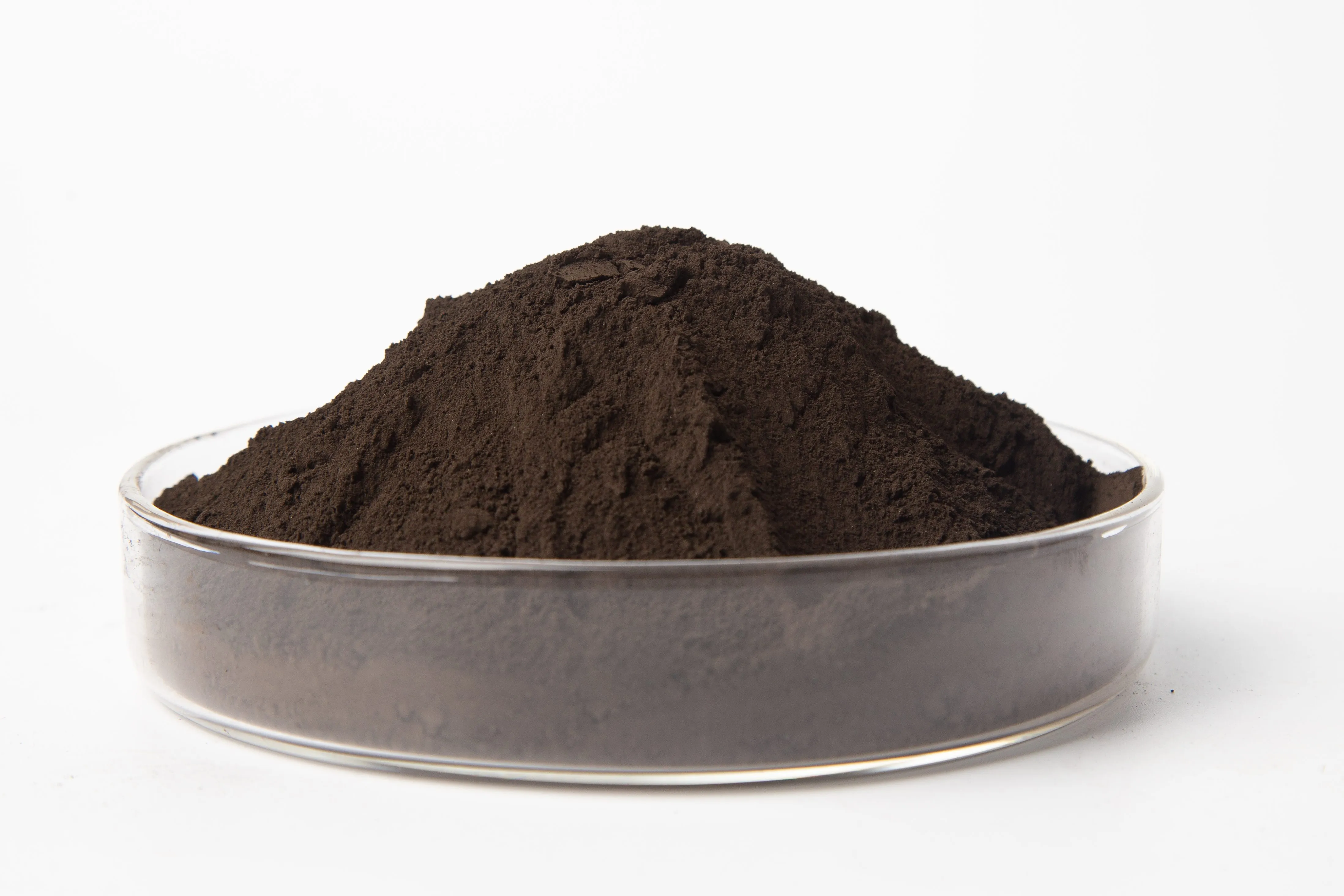
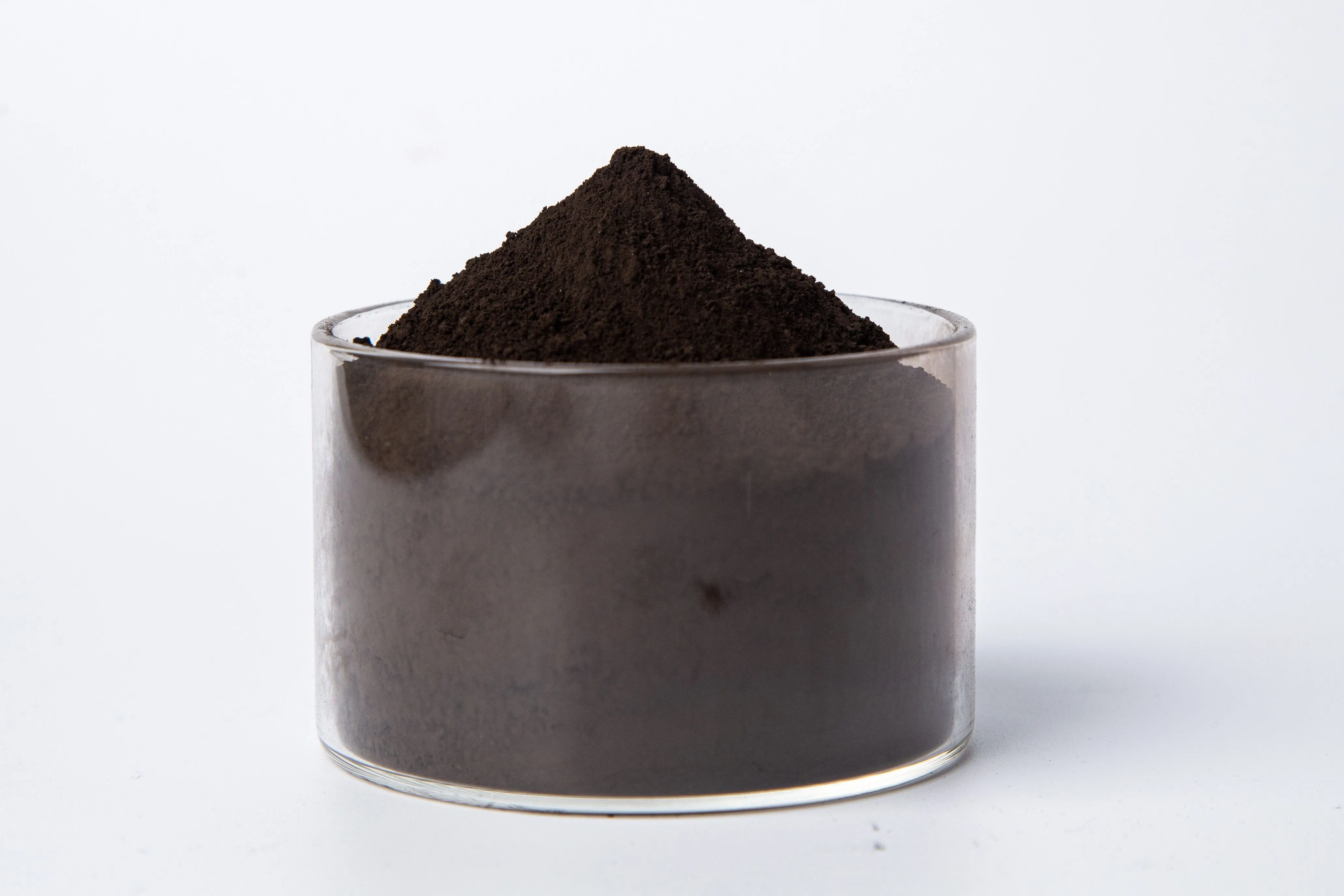
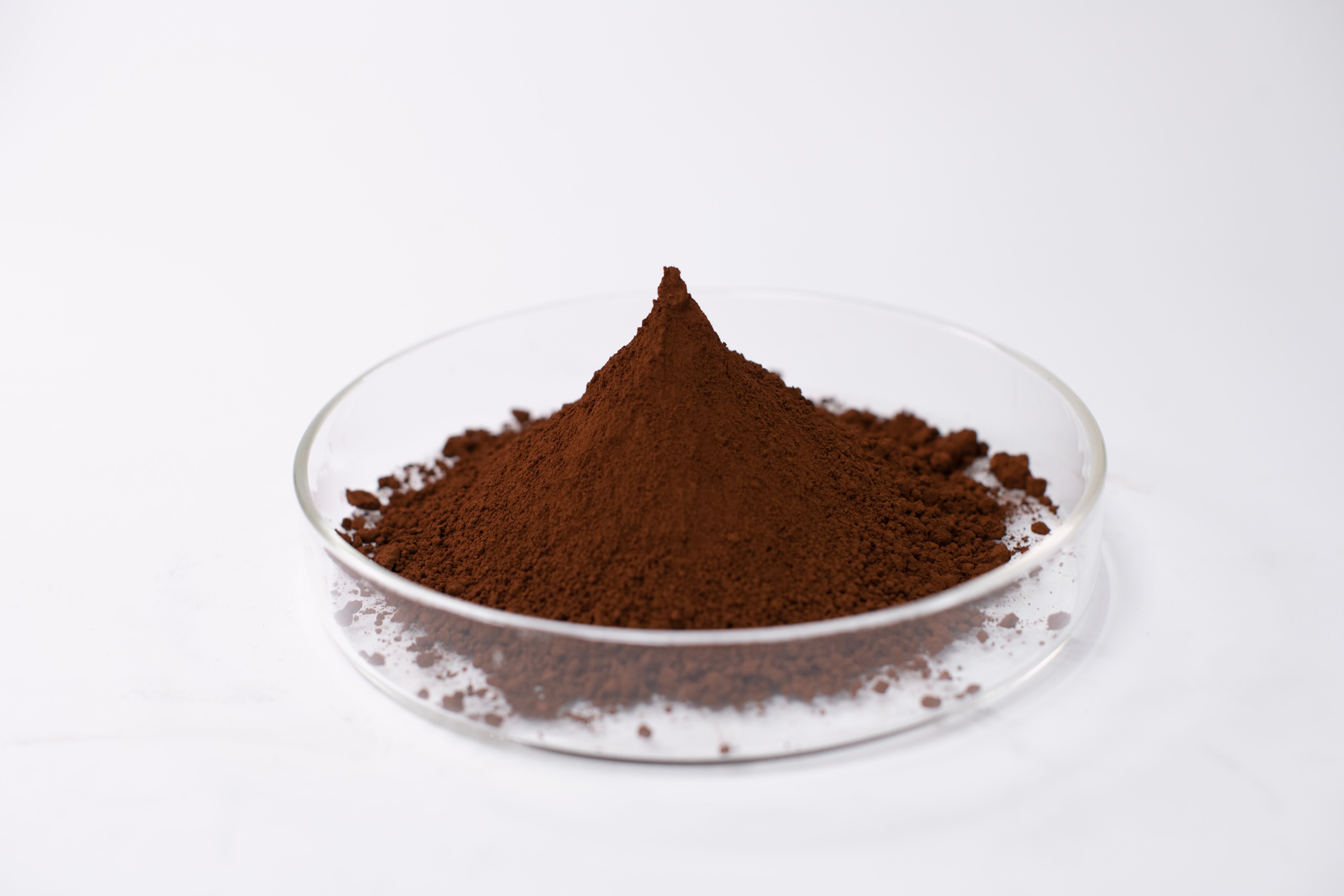
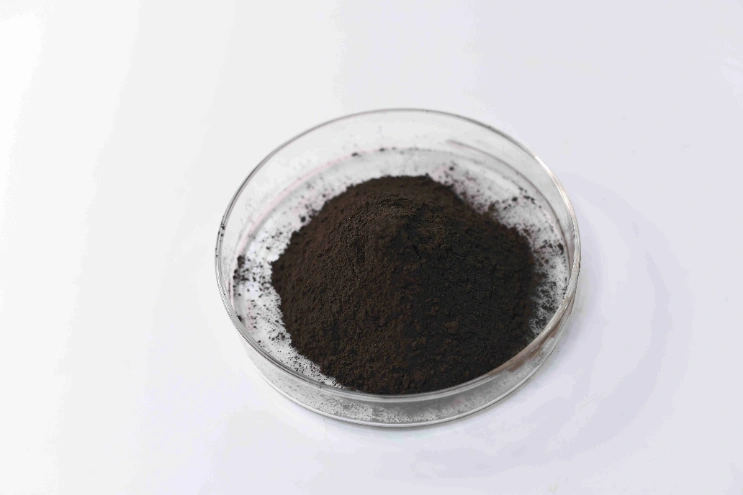
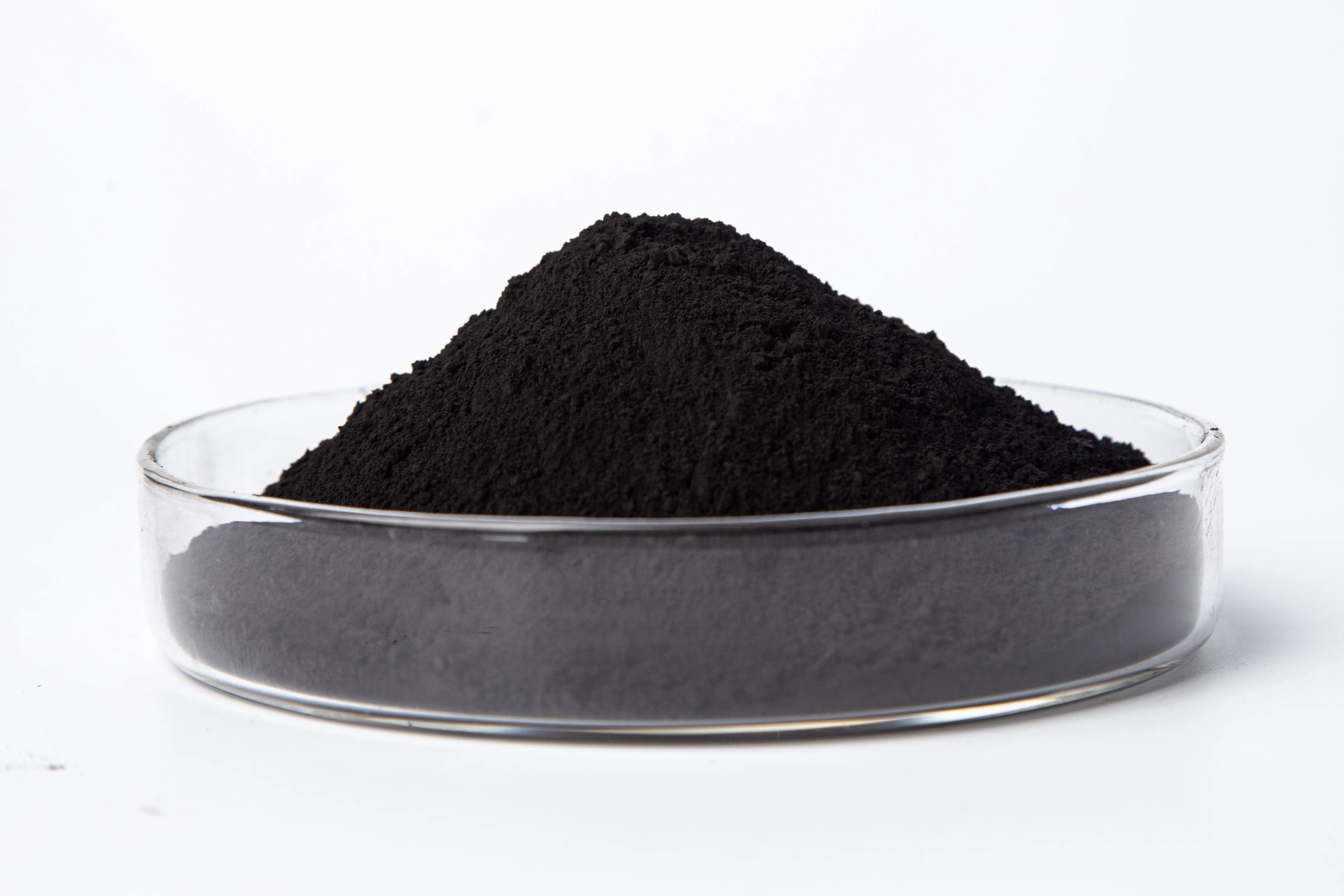
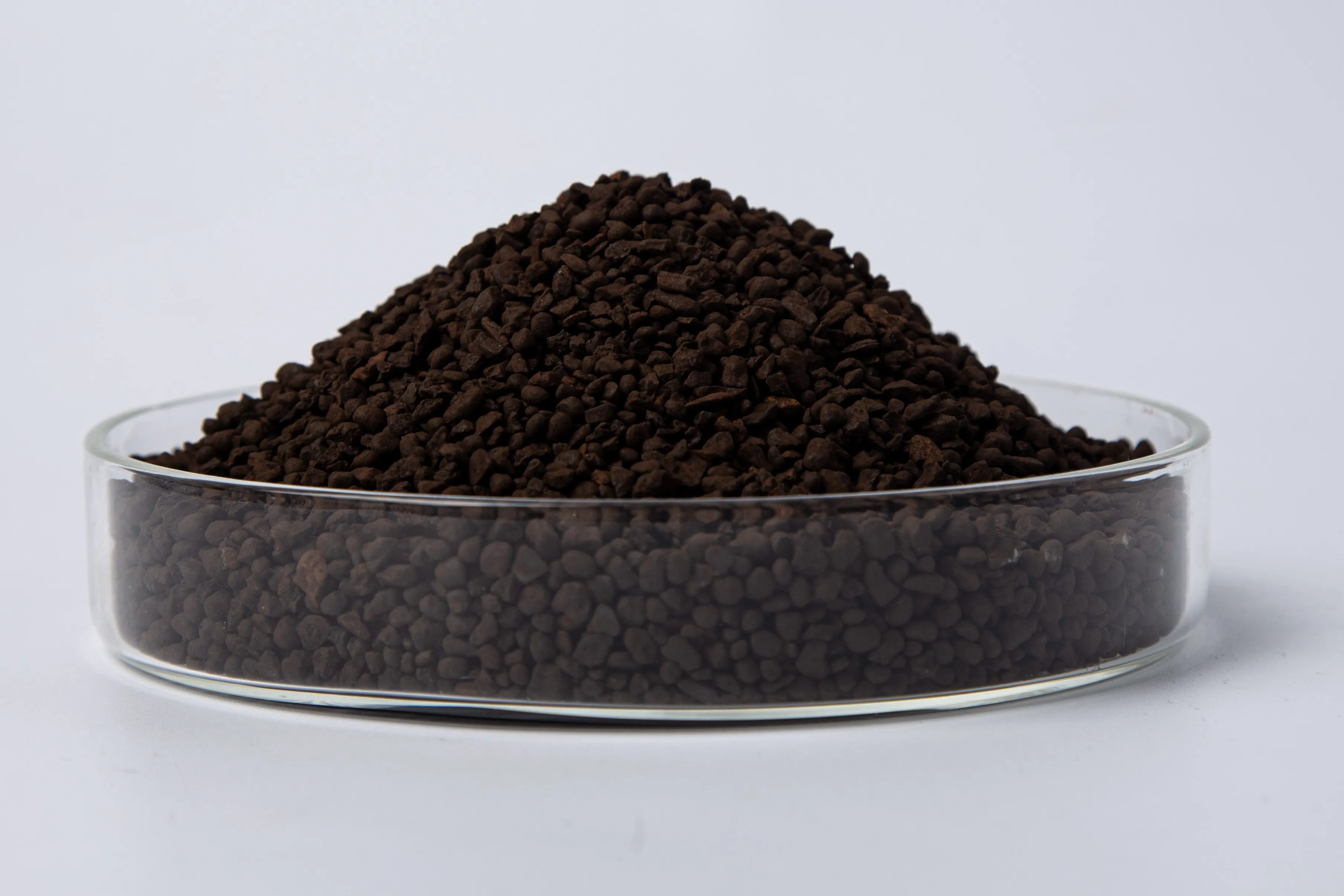
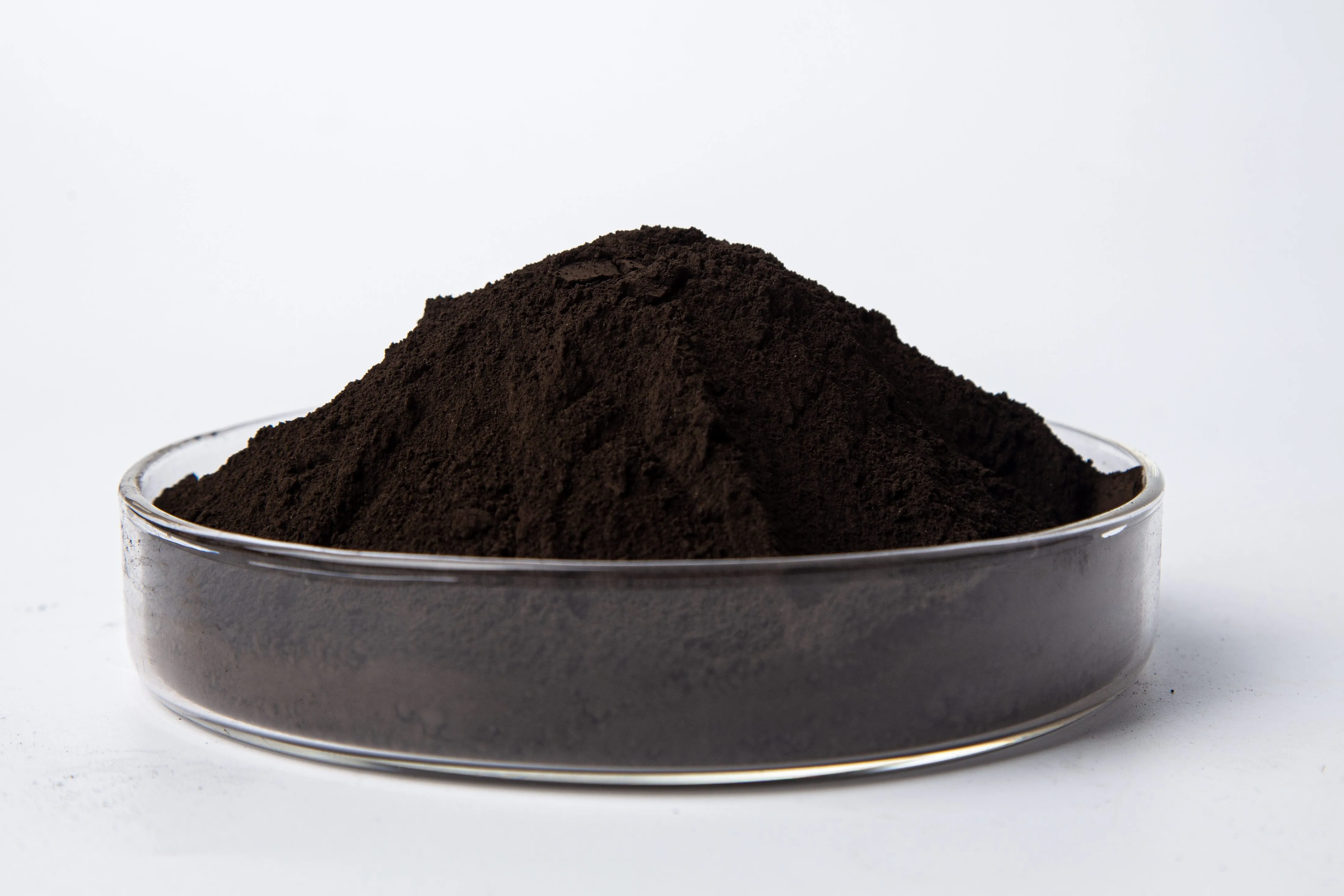
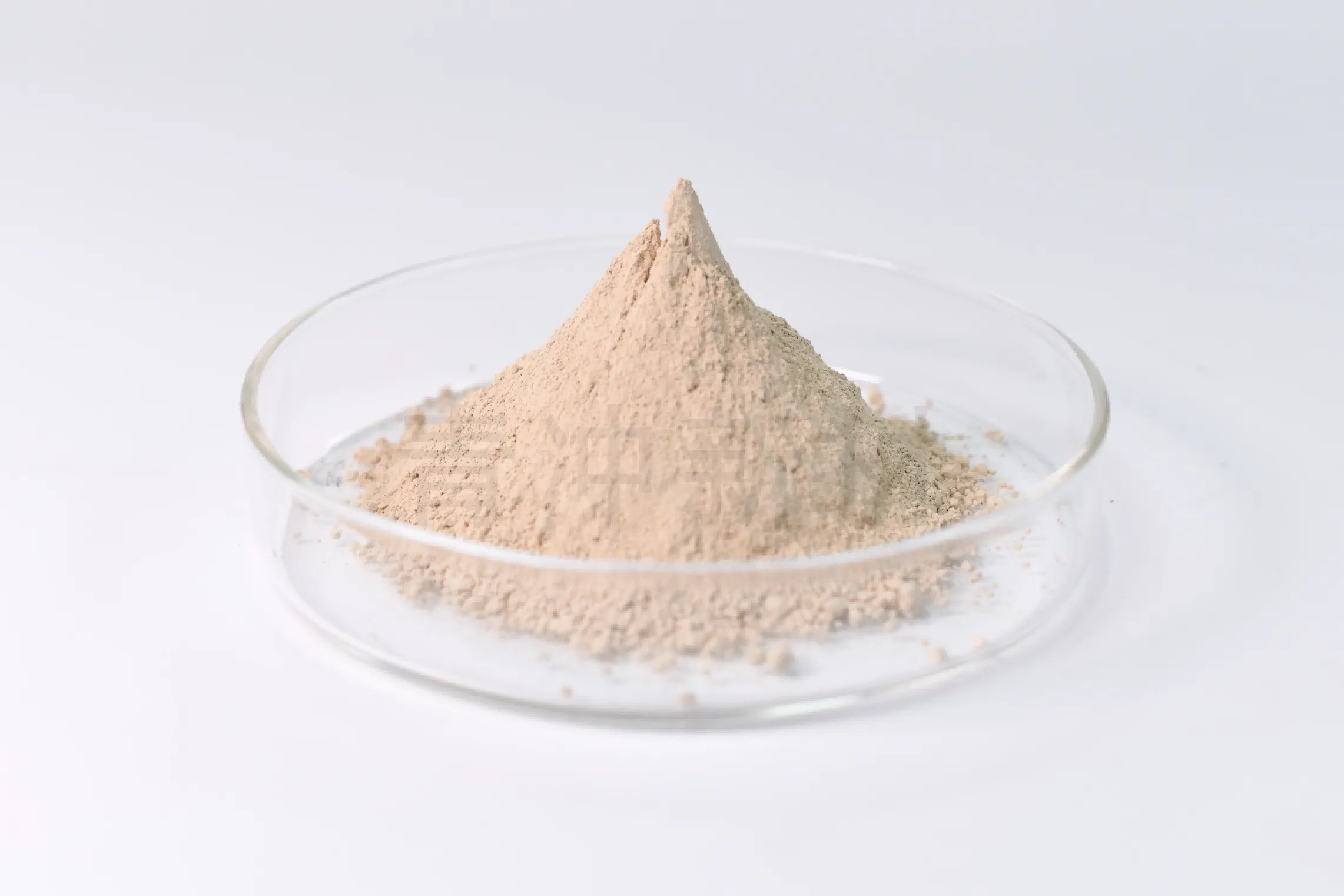
Application of sealant activated carbon and manganese dioxide
sealant activated carbon and manganese dioxide has found its way into glass and ceramics as an effective tool for tuning thermal and optical properties. The presence of the compound has an impact on the melting properties, shifting the refractive index, and altering the rate of crystallization which results in better surface smoothness and translucency. Designers take advantage of sealant activated carbon and manganese dioxide in making special glasses such as lenses, filters, and decorative panels where uniformity and clarity are of utmost importance. Furthermore, the material also has a positive effect on the toughness and resistance to crack formation on a microscopic level. Through the adjustment of concentration and particle size, manufacturers are able to create the desired optical effects and structural performance. Hence, sealant activated carbon and manganese dioxide provides the industry with a dependable material control for the development of new ceramic and glass applications, allowing for the exact customization of thermal, mechanical, and visual properties according to the requirements of a particular industry.
The future of sealant activated carbon and manganese dioxide
sealant activated carbon and manganese dioxide is believed to become even more important in environmentally friendly industrial processes. Among the possible advancements in the future are thecontrolled manganese oxides coming from sealant activated carbon and manganese dioxide which will be able to break down pollutants, absorb heavy metals, or perform chemical changes very efficiently. The approach that combines the features like surface area, reactivity, and treatment technology can lead to a process that is both efficient and sustainable. Thus, sealant activated carbon and manganese dioxide is already viewed as an indispensable ingredient in the upcoming industrial practices that would be focused on environmental clean up, water purification, and resource retrieval, which is a sign of its increasing demand in green technology.
Care & Maintenance of sealant activated carbon and manganese dioxide
The management of packaging is fundamental to the protection of sealant activated carbon and manganese dioxide. Multi-layer bags, lined drums, or sealed containers provide protection against environmental exposure and cross-contamination. The packages should be completely intact and properly sealed even after partial use during storage and transport. Resealing procedures are effective in preventing undesired material interaction with the surrounding conditions. The easy identification of batch numbers and storage dates facilitates traceability and quality consistency. By giving importance to proper packaging maintenance, manufacturers can increase the shelf life of sealant activated carbon and manganese dioxide and retain its intended characteristics, thus making it still suitable for precision-driven industrial applications.
QingChong sealant activated carbon and manganese dioxide
In the chemical industry, sealant activated carbon and manganese dioxide is mainly responsible for the production of various manganese compounds. By means of thermal decomposition, the process is controlled to yield manganese oxides with different oxidation states. The majority of the compounds are found in the applications of catalysis, redox reactions, and chemical synthesis. The chemical properties of the sealant activated carbon and manganese dioxide are well understood and this allows the industries to use them in ways that make the reactions more efficient and with higher yields. Furthermore, the performance of the end products is also dependent on the particle size and the purity of sealant activated carbon and manganese dioxide. Manufacturers are capable of customizing its behavior by controlling the calcination temperatures and atmospheres. The material's property of producing pure manganese dioxide of high quality guarantees its consistent and reliable use in batteries, pigments, and catalysts which in turn makes sealant activated carbon and manganese dioxide an industrial chemical production raw material with a lot of applications.
FAQ
Q: What is the main application of Manganese Carbonate in industry? A: Manganese Carbonate finds application as a basic material for the manufacturing of manganese oxides, specialty alloys, ceramics, and battery-related materials in the course of industrial development. Q: What color and powder form do Manganese Carbonate mostly have? A: It is normally a light pink or pale powder with a fine particle size distribution making it suitable for mixing and processing. Q: Will Manganese Carbonate be available in different particle sizes? A: Indeed, the particle size can be set during the production phase according to the particular processing or application requirements. Q: Can Manganese Carbonate withstand high-temperature processing? A: Its high-temperature processing behavior is very good under strict temperature control, especially during the technical transformation of materials and calcination. Q: Which sectors are the main consumers of Manganese Carbonate? A: It is especially needed in the metallurgy, chemical manufacturing, ceramics, electronics, and energy-related sectors.
Reviews
Benjamin Taylor
The Manganese Sulfate we purchased has excellent solubility and consistency, which has helped optimize nutrient formulations for our agricultural products. Quality and supply reliability are excellent.
Michael Brown
Using Manganese Filter Media has transformed our water treatment operations. The media’s uniformity and efficiency have improved filtration rates and reduced maintenance. The supplier’s technical support helped us implement it seamlessly into our existing systems.
Latest Inquiries
To protect the privacy of our buyers, only public service email domains like Gmail, Yahoo, and MSN will be displayed. Additionally, only a limited portion of the inquiry content will be shown.
Lucas****@gmail.comAustralia
Hello, we are interested in Chemical Manganese Dioxide for industrial chemical reactions. Please sha...
Isabella****@gmail.comUnited Kingdom
Dear team, we would like to purchase Manganese Carbonate for alloy manufacturing. Could you provide ...
Related product categories
- activated manganese dioxide powder in Spain
- activated manganese dioxide powder in Malaysia
- drying manganese dioxide activated in United States
- drying manganese dioxide activated in Canada
- drying manganese dioxide activated in Australia
- drying manganese dioxide activated in United Kingdom
- drying manganese dioxide activated in France
- drying manganese dioxide activated in Germany
- drying manganese dioxide activated in Japan
- drying manganese dioxide activated in South Korea
- drying manganese dioxide activated in Turkey
- drying manganese dioxide activated in Brazil